Hey, it's Dr. Bailey
You know that person on your team who always seems fine? The one who asks everyone else how they're doing, holds the room together when things get tense, and never quite gets around to saying what they need? I want to talk about that person today. Because in my experience, that person is often us. As in you “people people” reading.
This week I'm looking at what happens when motivated teams become overextended, and why the most capable people in your organisation might be quietly running on empty. I'm also sharing a piece that keeps shaping how I think about what we actually study when we study technology. What is the one thing you wish someone would ask you about how you're really doing at work? Hit reply and tell me. I read every one. |
In this week's edition: What's Coming Up at SkillsCamp The Thing I Actually Research (Hint: It's You) I'm the One Holding Everyone Together. Who Holds Me? When Your Strongest People Are Quietly Struggling
|
|
|
|
What's Coming Up at SkillsCamp |
ONGOING: OpenStudio by SkillsCamp Events for people leaders who want practical tools and space to think with peers. Each session takes a timely leadership challenge and works through it with real-world examples and strategies you can use right away.
Check it out. |
|
|
|
The Thing I Actually Research (Hint: It's You) |
People assume I research technology. But I am of the humanities. I research humans. Whether studying social media, digitally mediated workplaces, or AI, I have consistently found the same thing: the dark side of humans is the dark side of the technology, and the light side of humans is the light side of the technology. The tool reflects whoever is weilding it.
This matters for us as people leaders because we are the ones deciding how new tools land in our teams. When we introduce AI, collaboration platforms, or even new feedback systems, we are making a culture choice. The system will carry whatever values and habits we bring to it. Start offline before you go digital.
The most effective long-term strategy for digital wellbeing is actually counterintuitive: look in the mirror first. Get clear on your values, your confidence, and your resilience. Then design a digital life that intentionally serves that person, and not one that slowly erodes them. Protect the focus of your people.
The shift to digital changed how we think, focus, and make decisions. As leaders, we set the norms around how our teams interact with technology. If we model intentional use, our people follow. I keep coming back to this idea because it reframes every technology conversation we have. The question is never "what can this tool do?" The question is always "what in ourselves do we want to amplify?"
Read the original post |
|
|
|
I'm the One Holding Everyone Together. Who Holds Me? |
A reader writes: "I am the person on my team everyone comes to. When someone is struggling, I notice first. When there is tension, I smooth it over. Lately I am running on empty and I do not know who I am supposed to go to. How do I keep showing up for my people when no one is showing up for me?"
First, I want to name what you are doing. You are carrying the emotional infrastructure of your team. That is real labour, and it is often invisible because you make it look easy. Here is what I have learned, sometimes the hard way: the people who are best at holding space for others are often the worst at asking for it themselves. We tell ourselves our needs can wait. They cannot. When you run dry, the whole team feels it, even if they cannot name why.
Build a peer circle outside your direct reports.
You need two or three people who are not on your team and not your boss. People who understand the weight of the role because they carry it too. A monthly coffee or a standing call can do more than any wellness program. Name your limits out loud.
When you say "I am at capacity this week" in front of your team, you are not showing weakness. You are modelling the behaviour you want from them. Permission travels downward faster than policy does. You clearly care about your people. Now include yourself in that circle of care. That is what sustainable leadership looks like. Love you! |
|
|
|
When Your Strongest People Are Quietly Struggling |
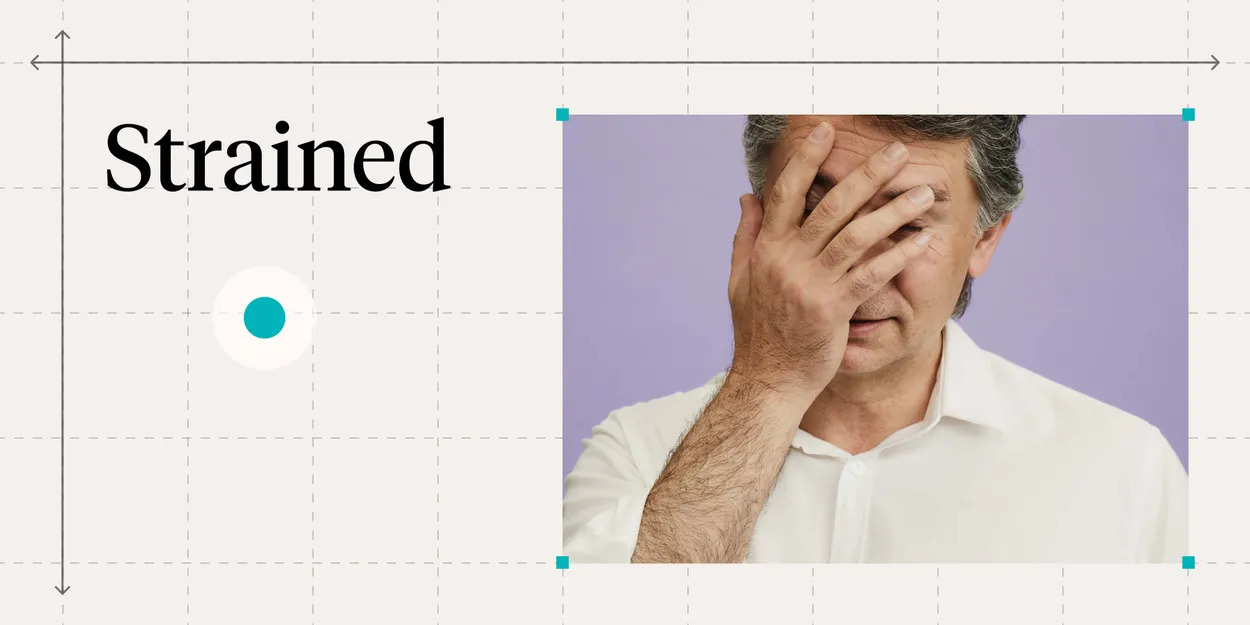
Culture Amp just published new research on what they call a "Strained" performance culture, and it describes something I see constantly in the organisations I work with. Teams where confidence in the business is high, but engagement is low. The numbers look good on paper. The people behind those numbers are running on fumes.
In a Strained culture, employees believe the company will meet its goals. They just do not have the energy to sustain the pace required to get there. Burnout risk is high, creativity drops, and top performers stop going beyond their job descriptions to help colleagues. The wins keep coming, but the cost of those wins is climbing. What stood out to me from their research:
The fix starts with leaders showing people they matter.
Companies that moved from Strained to what Culture Amp calls "Peak Performance" within one year saw a 9-point jump in employees feeling that leaders view them as important. Small signals carry weight here: recognising achievements, investing in growth, and messaging only during standard work hours. Invite your people into the culture conversation.
Employees who feel included in shaping how the workplace evolves stay more engaged. The organisations that improved fastest saw a 10-point increase in employees feeling included in culture change. Collect feedback, share results transparently, and act on what you hear.
The encouraging part of this research is that roughly one quarter of companies in non-Peak states reached Peak Performance within a single year. Strained is not a permanent state. It is a signal that your people need you to invest in the human side of performance before the momentum stalls.
Read the full Culture Amp research |
|
|
|
Thanks for reading!
Don't want to receive these emails? There's an unsubscribe button at the bottom. |
Copyright Skills Camp 2026 20 Iannuzzi Street, TH9, Toronto, ON, M5V0A2 |
|
|
|
|