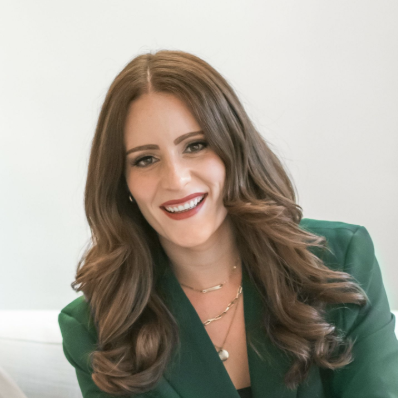
Hey, it's Dr. Bailey
We are heading into one of the most distracting stretches of the work year. The World Cup is about to land in the middle of the workday for a lot of our teams, and that got me thinking about a bigger question. How do we lead people well when attention is scarce, burnout is real, and nervous systems are a little more high-strung than they should be?
This edition comes at that from three angles. A morning I spent on stage talking about technology and wellbeing. A reader wrestling with whether to keep closer tabs on a team that feels checked out. And fresh data on how people plan to work around a month of matches in soccer...sorry, football.
Here is my question for you this week: when your team gets distracted, is your first instinct to tighten control or to extend trust? Hit reply and tell me. I read every response. |
In this week's edition: What's Happening at SkillsCamp -
From the Field: A Morning on Mental Health and Human Connection Sage Advice: When Checking In Starts to Feel Like Checking Up
What We're Watching: The World Cup Is About to Test Your Team's Focus
|
|
|
|
What's Happening at SkillsCamp |
ONGOING: People Leader Calls. Join me and a group of people leaders for a live, open conversation about what is actually happening in your organizations right now. Low agenda. High value. Reply to this email with a simple "add me to the calls" if you want to join the next one.
ONGOING: OpenStudio by SkillsCamp - Events for HR and People Leaders who want practical tools and space to think with peers. Each session takes a timely leadership challenge and works through it with real-world examples and strategies you can use right away.
Follow us here.
Speaking Engagements
I'm booking Fall dates for keynotes and workshops. If you're planning an off-site, leadership day, or conference, let's talk.
Contact me |
|
|
|
A Morning on Mental Health and Human Connection |
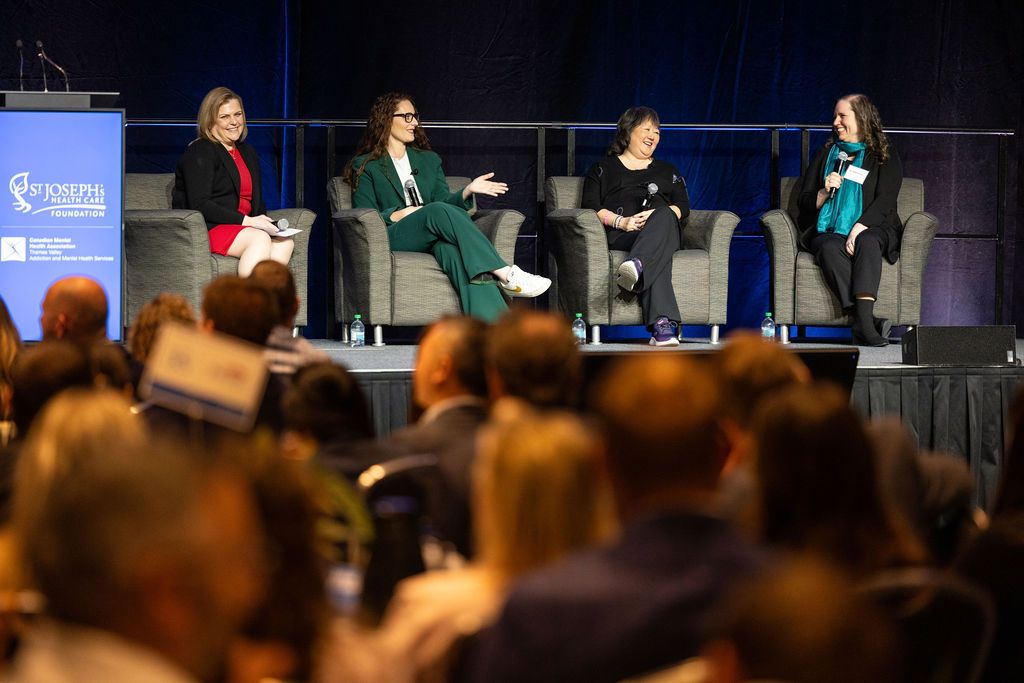
Last month I had the honor of keynoting the St. Joseph's 2026 Breakfast of Champions in London, Ontario, where 1,100 community leaders and advocates gathered for a morning focused on mental health, online safety, and human connection in a digital world.
I shared the stage with Carol Todd, whose advocacy around cyberbullying has shaped how many of us talk about online harm, and a panel of clinicians and leaders explored compassion, resilience, and community support in recovery. A few things I keep carrying with me from that room: Social burnout is its own kind of exhaustion.
We talk a lot about workload. We talk far less about the constant social and digital load people carry now. For many of our teams, the tiredness is coming from always being reachable. Healthier technology habits are a leadership issue.
When leaders model boundaries around devices and availability, they give their people permission to do the same. Your habits set the temperature for the whole team. Connection is the antidote we keep underusing.
The throughline of the morning was simple. People recover and grow inside relationships and community. That is as true at work as it is anywhere else. It was a powerful reminder that the human side of how we work deserves the same attention we give to the technical side.
See the event wrap-up |
|
|
|
When Checking In Starts to Feel Like Checking Up |
A reader writes: "A couple of people on my team have seemed checked out lately. My instinct is to start asking for more frequent updates so I know what is happening. But I worry that will come across as me not trusting them, which might make things worse. How do I stay informed without becoming the boss who hovers?"
This is one of the most common tensions I see in people leaders—control or release—and the fact that you are even asking it tells me your instincts are there.
Start by getting curious before you get concerned. Feeling checked out usually has a reason underneath it. Workload, something going on at home, a project that lost its meaning, or quiet burnout that has been building for weeks. More status updates will surface the what. A real conversation will surface the why. Ask about the person, then the work.
Open with something like, "How are you really doing lately, honestly?" before you get to deliverables. The order signals that you see them as human first, which tends to open people up. I start all of my 1-on-1s with a "personal check-in" agenda item, written and seriously honored. Keep your check-ins on a steady rhythm.
A standing weekly one-on-one feels like support, even if it's not needed for troubles one week. A sudden spike in meeting requests can feel like suspicion. The information is the same. The message lands very differently. Keep a steady rhythm of meeting for relationships and conenction, and not just when there is an issue. Be honest about what you need and why.
You can simply say, "I want to give you space to do your work, and I also need enough visibility to support you. Help me find the right balance." Naming it removes the guesswork for both of you. Trust and accountability grow together when people feel seen. Lead with the first, and the second tends to follow. |
|
|
|
The World Cup Is About to Test Your Team's Focus |
A new Qlik survey, released June 1, gives us an unusually concrete look at what happens to focus when a global event lands inside the workday. Among 2,000 US employees who plan to follow the 2026 World Cup, 90% say they are likely to watch matches live during work hours, and 68% expect to delay, skip, or reschedule meetings to do it.
Here is the part that should interest people leaders. Most workers still expect to keep up. 53% say their output will actually go up during the tournament, and 65% expect to lean on AI tools like ChatGPT, Claude, and Copilot to catch up faster when their day gets fragmented. Two things worth sitting with:
Flexibility and accountability can coexist. Younger workers in particular see no conflict between watching a match and hitting their goals. Gen Z was the most likely group to expect their productivity to climb, which is a useful signal about where workplace norms are heading.
How you respond says a lot about your culture. Qlik's James Fisher put it well when he said the organizations that come out ahead "won't be those that police every distraction." A predictable, high-trust plan for the next few weeks will serve you far better than a crackdown.
So here is a practical move. Get ahead of it. Agree as a team how you will handle match days, where the real deadlines are, and what good output looks like. People will respect the clarity, and you will get to enjoy the tournament alongside them. Make it something social together! This is leading, human!
Read the full survey |
|
|
|
Thanks for reading!
Don't want to receive these emails? There's an unsubscribe button at the bottom. |
Copyright Skills Camp 2026 20 Iannuzzi Street, TH9, Toronto, ON, M5V0A2 |
|
|
|
|