Hey, it's Dr. Bailey
Soft skills. A phrase we have all collectively agreed doesn't fully reflect the imperative and sometimes downright hard nature of them. Let's park that conversation temporarily and raise some volume on the sentiment again. These skills—people skills, human skills, power skills, character traits, etc.—they are really important. On that, we can all agree.
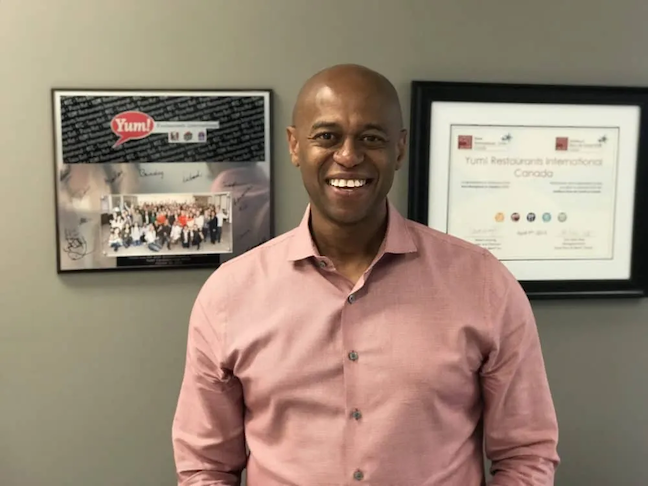
I keep coming back to something Brian Henry, the Chief People Officer at Yum! Brands, said in a conversation we had a while back. Credentials get you in the door, but your people skills decide what happens after, how far you grow, or whether anyone wants to follow you when it counts. That framing has stayed with me because it puts technical and human skills in their right relationship. One is the floor. Everything else is built on top of it. As we read this edition together, I want us to sit with one question. What would shift in our organizations if we treated people skills with the same rigor we apply to technical ones? Hit reply and tell me. |
In this week's edition: What's Coming Up at SkillsCamp
From the Field: The Skills That Actually Move People Forward Sage Advice: When Your Team Stops Bringing Problems to You What We're Watching: Your Engagement Programs Might Be Making Things Worse
|
|
|
|
What's Happening at SkillsCamp |
ONGOING: People Leader Calls. Join Dr. Bailey and a group of people leaders for a live, open conversation about what is actually happening in your organizations right now. Low agenda. High value. Reply to this email with a simple "add me to the calls" if you want to join the next one.
ONGOING: OpenStudio by SkillsCamp - Events for HR and People Leaders who want practical tools and space to think with peers. Each session takes a timely leadership challenge and works through it with real-world examples and strategies you can use right away.
Follow us here.
Speaking Engagements
I'm booking Fall dates for keynotes and workshops. If you're planning an off-site, leadership day, or conference, let's talk.
Contact me |
|
|
|
The Skills That Actually Move People Forward |
When Brian Henry talks about leadership, I listen. He has been Chief People Officer at Yum! Brands, the parent company of KFC, Pizza Hut, and Taco Bell, and he has watched more careers rise and stall than most of us ever will. When I asked him what separates them, his answer was immediate. It comes down to people skills.
The framing he gave me has stuck with me. Credentials get you hired. Everything that happens after, how far you grow and whether anyone wants to follow you, is decided by people skills. Three things he said that I keep returning to: 1. Hire for attitude, develop for skill.
Brian builds teams starting from personal attributes like enthusiasm and coachability. The transactional parts of a role can be trained. The orientation toward people and growth is much harder to build from scratch. 2. Courage is underrated.
When I asked which soft skills will define the workplace of the future, Brian named collaboration and communication, the answers I expected, and then he added courage. The willingness to advocate when it costs you something and to have the hard conversation when staying quiet is easier. That skill is conspicuously absent from most L&D frameworks I see. 3. People skills are rare.
Technical skills are easier to screen for and easier to verify. The skills that read a room and hold a team together when things get hard are much more difficult to find, and much more valuable once you do. Read the full conversation with Brian Henry |
|
|
|
When Your Team Stops Bringing Problems to You |
A reader writes: "I recently realised that my team has stopped coming to me with problems. Things I should know about are being resolved without me, sometimes not well, and I only find out after the fact. I do not think I am unapproachable, but something has shifted. What do I do?"
I am glad you noticed. That is the part most of us miss. The signal you are picking up is one of the more important ones a people leader can receive, and I want you to take it seriously without catastrophising it. When a team stops bringing problems forward, it is almost never about access. They know how to find you. The harder question is whether they believe finding you is worth it.
Replay the last few times someone brought you a problem.
Did they feel heard? Did they leave the conversation with something useful? People are pattern-matchers, and a few experiences that felt discouraging can shift behaviour long before anyone names it. Watch the temperature of your reactions.
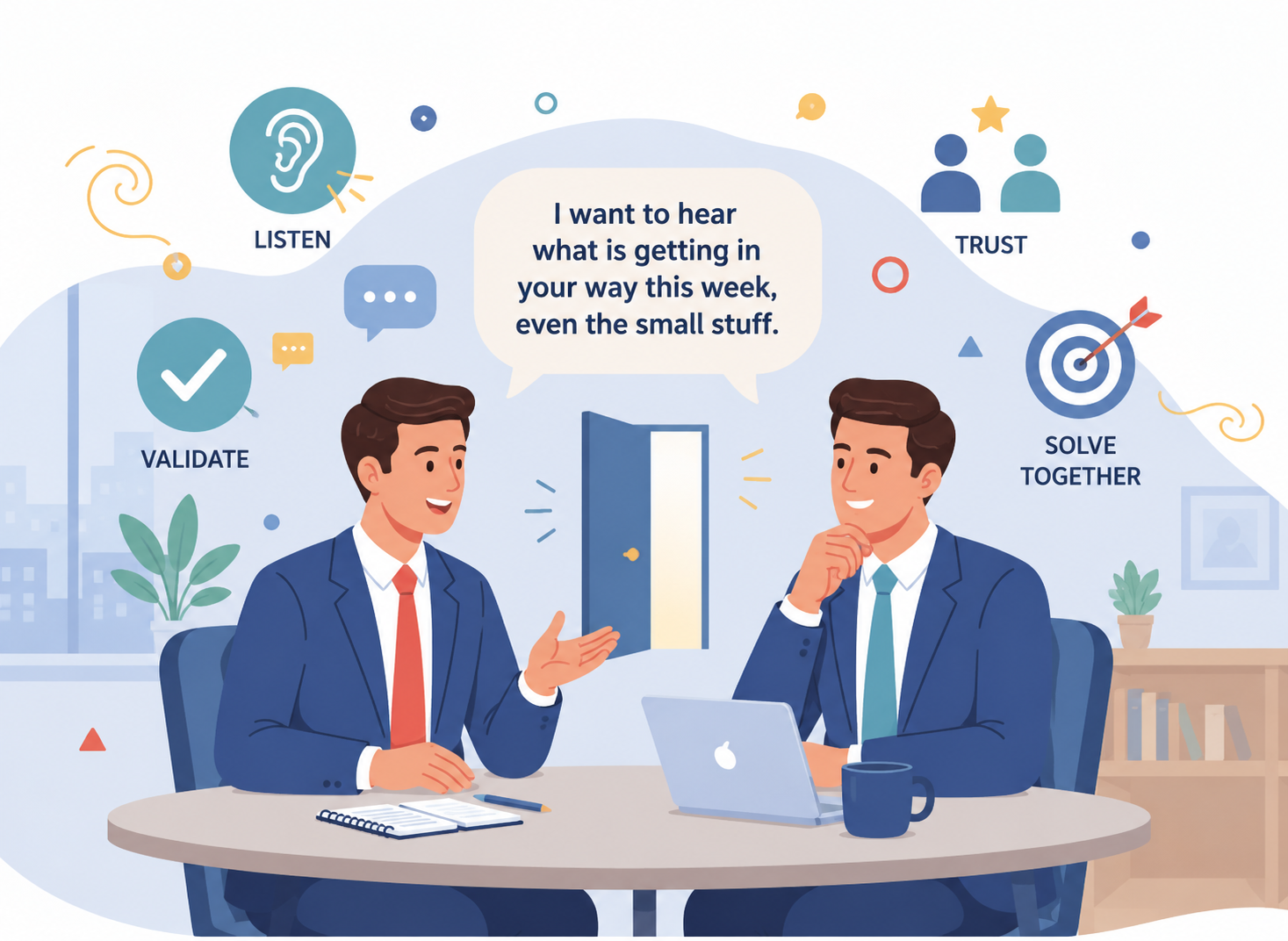
If your response to a problem lands as heavy or stressful for the person raising it, your team learns to filter what reaches you. They start handling things on their own to spare themselves the weight of the conversation. Open a door specifically.
"My door is always open" is the kind of thing leaders say when they hope people will figure out the meaning. Try "I want to hear what is getting in your way this week, including the small stuff." That gives someone something specific to walk into. The good news is that the fact you noticed means you are paying attention, and that is where the repair starts. |
|
|
|
Your Engagement Programs Might Be Making Things Worse |
New global research from BI WORLDWIDE, 2,192 employees across 18 countries and 20 industries, landed yesterday with a finding that should make us all pause: the engagement initiatives we're running may be adding to the problem, not solving it. Here's what the data shows. 60% of employees say they are experiencing constant change at work. 31% report feeling burnt out specifically as a result of poorly supported change. When engagement programmes are designed without accounting for that context, they don't provide relief. They add to the workload.
The researchers are careful to note that engagement activity alone doesn't cause burnout. The risk shows up when the activity is ineffective: checkbox initiatives, recognition programmes that don't feel genuine, feedback cycles that generate noise without action. In those cases, the effort lands as one more demand on people who are already stretched.
The question worth sitting with is whether the specific things we're doing are designed to reduce pressure or inadvertently increase it. Good intentions are a starting point. Design is what determines the outcome. For people leaders, this is a useful stress test: look at your current engagement initiatives and ask honestly whether they are reducing cognitive and emotional load, or quietly adding to it.
Read the full research |
|
|
|
Thanks for reading!
Don't want to receive these emails? There's an unsubscribe button at the bottom. |
Copyright Skills Camp 2026 20 Iannuzzi Street, TH9, Toronto, ON, M5V0A2 |
|
|
|
|