Hey, it's Dr. Bailey
This week, we're thinking about the human edge as a competitive strategy. A residence life leader at Carleton University shares what a decade of working with students taught her about adaptability and seeing people clearly. And Deloitte's latest global research makes the business case plainly that organizations that lead with people first outperform those that lead with technology. |
In this week's edition: What's Coming Up at SkillsCamp You Are a Teacher, Just in a Different Classroom On Digital Wellbeing: Start Offline The Human Edge Isn't Soft. It's Your Competitive Strategy.
|
|
|
|
What's Coming Up at SkillsCamp |
ONGOING: OpenStudio by SkillsCamp - Events for HR and People Leaders who want practical tools and space to think with peers. Each session takes a timely leadership challenge and works through it with real-world examples and strategies you can use right away.
Follow us here.
Speaking Engagements
I'm booking fall dates for keynotes and workshops. If you're planning an off-site, leadership day, or conference, let's talk.
Contact me |
|
|
|
You Are a Teacher, Just in a Different Classroom |
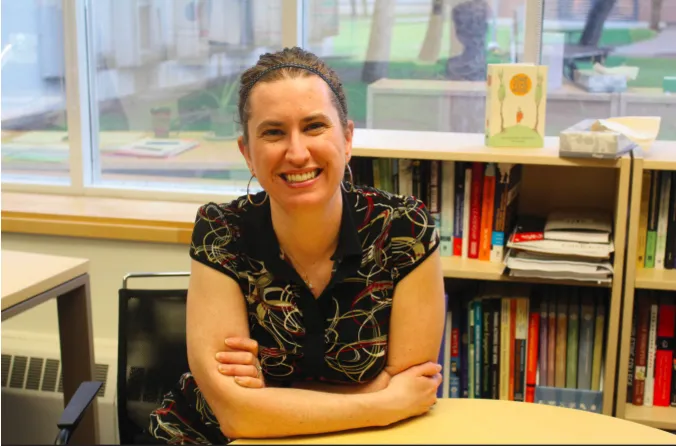
Natalie Allan is the Assistant Director of Residence Life Services at Carleton University, and she has six-year-old triplet boys at home. She jokes that the two have taught her the same thing: if you're too rigid, you will not survive. In a recent SkillsCamp SoftSkillsSpotlight, Natalie made a point that stuck with us. She spent years thinking she was going to be a lawyer, then a teacher, and eventually realized that Residence Life gave her both. Student conduct, community building, mental health support, learning and development. "I would describe myself now as an educator," she says. "I just teach in a different classroom."
That reframe matters for anyone in HR or L&D. You are shaping how people grow through the culture you build, the conversations you make space for, and the way you show up when things go sideways. A few things Natalie said that are worth taking back to your team:
Hire for attitude, train for skill. Her team focuses on approachability, enthusiasm, and coachability. "I can't teach attitude," she says. "But I can train somebody on the transactional things." Give people room to run, then correct course. She'd rather rein someone in than try to get them moving in the first place. If the ball is rolling, you can redirect it.
See the human side. Whether it's a student or a staff member, genuine care shows up in performance. "You will get more out of a person if you have a genuine care for them." Read the full interview |
|
|
|
On Digital Wellbeing: Start Offline |
For Mental Health Month, here's something I've been thinking about lately:
"People assume I research technology, but I don't think I do. I am of the humanities. I research humans. The dark side of humans is the dark side of the technology, and the light side of humans is the light side of the technology."
My advice for digital wellbeing is counterintuitive: start offline. Get clear on your values, your confidence, your resilience, and your interests. Then design a digital life that intentionally serves the person you want to become.
I expanded on this thinking in a recent feature for Speakers Spotlight on how to be well in a digital world. Read it here.
This one lands close to home for me. The culture you're building, how psychologically safe it feels and how human it is, will show up in how your team uses every tool, including AI. The technology reflects the people using it. Got a people leadership challenge you're sitting with? Hit reply and share it. Each issue, I answer one reader question. Your name stays out of it if you prefer. |
|
|
|
The Human Edge Isn't Soft. It's Your Competitive Strategy. |
Deloitte's 2026 Global Human Capital Trends report surveyed more than 9,000 business and HR leaders across 89 countries, and the headline finding is one people leaders should be paying close attention to.
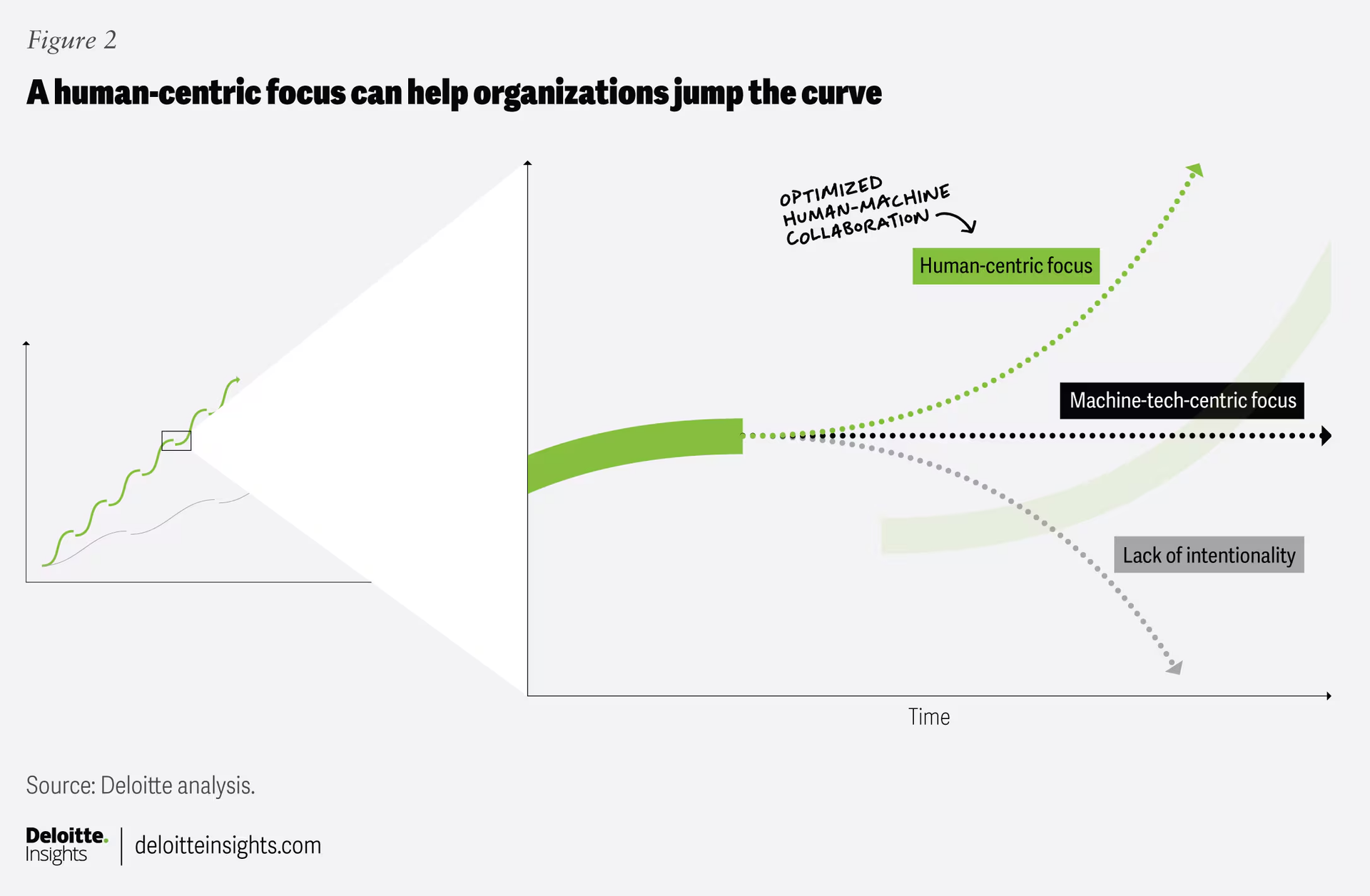
Seven in ten business leaders say their primary competitive strategy over the next three years is to be fast and nimble. But when Deloitte looked at how organizations are actually approaching AI, 59% are taking a tech-first approach. And those organizations are 1.6 times more likely to fall short of their expected returns on AI investment compared to those taking a human-centric approach.
The report puts it plainly: "Competitive advantage is now primarily less driven by technology differentiation and more by cultivating the human edge. Technology is replicable. People aren't."
The organizations pulling ahead are treating adaptability, creativity, and judgment as core strategic capabilities. They're redesigning roles and workflows so humans and machines work in concert, designing the work thoughtfully before deciding what to automate. For people leaders, this is the business case you've been looking for. Culture, capability, and psychological safety are the real differentiators that drive competitive advantage. Source: Deloitte, 2026 Global Human Capital Trends — "From Tensions to Tipping Points," March 2026. Read the full report |
|
|
|
Thanks for reading!
Don't want to receive these emails? There's an unsubscribe button at the bottom. |
Copyright Skills Camp 2026 20 Iannuzzi Street, TH9, Toronto, ON, M5V0A2 |
|
|
|
|